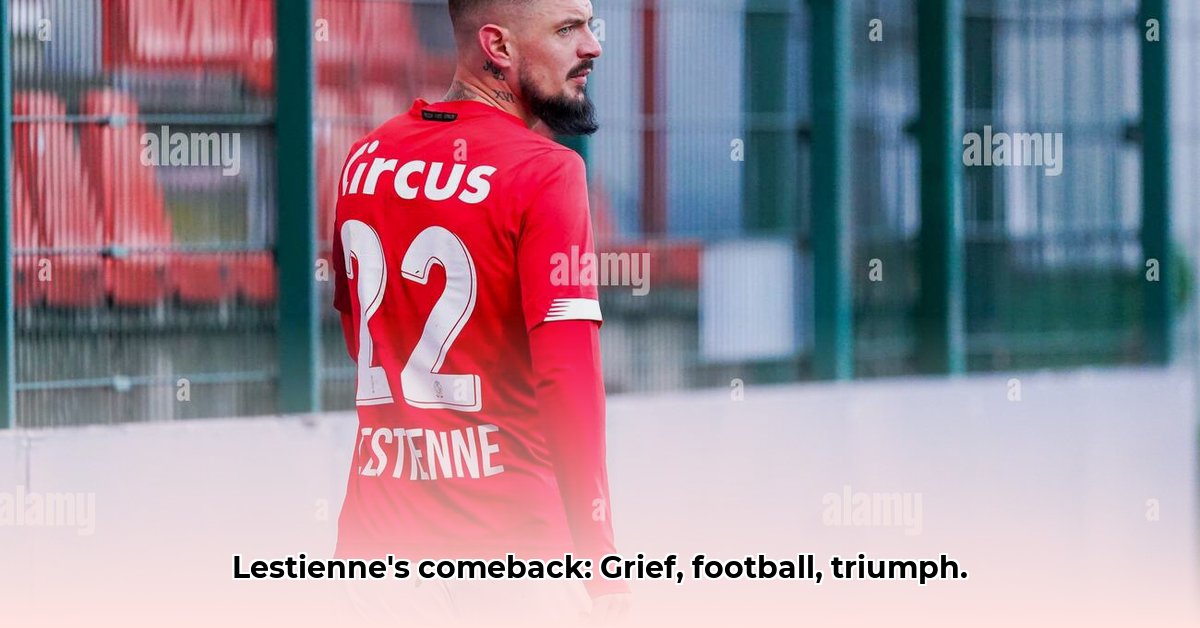
Maxime Lestienne Ouders: A Footballer's Comeback After Tragedy
The dazzling goals and thrilling victories of professional football often overshadow the very real human struggles faced by the athletes themselves. Maxime Lestienne's journey is a powerful testament to this, showcasing the profound impact of grief on a professional footballer's life and career, and his remarkable comeback. His story isn't just about football; it's a poignant narrative about resilience, healing, and the critical need for mental health support in professional sports. This article will explore Lestienne's experience, offering insights into coping mechanisms and highlighting the vital role of support systems in navigating such profound loss.
How does one reconcile the demanding world of professional football with the crushing weight of personal tragedy? How does an athlete, trained for peak physical performance, manage the overwhelming emotional toll of profound grief? Maxime Lestienne's experience provides a compelling answer, demonstrating the resilience of the human spirit and the urgent need for a more holistic approach to supporting athletes' mental well-being.
The Crushing Blow of Loss: A Turning Point
The demanding life of a professional footballer, with its intense training schedules, relentless competition, and constant public scrutiny, is already a pressure cooker. Now, imagine adding the unimaginable: the sudden loss of both parents. This was the harsh reality Maxime Lestienne faced. His subsequent absence from PSV Eindhoven wasn't just a physical withdrawal; it represented a profound emotional crisis, a testament to the devastating power of grief. This starkly illustrates that even elite athletes are vulnerable individuals, and that sometimes, the toughest battles are fought far from the football pitch.
How does such a loss impact an athlete’s ability to perform? The pressure to succeed combined with deeply felt grief creates a unique and arduous challenge. Lestienne's story shows how essential it is to acknowledge the emotional demands inherent in professional sports. The physical and mental strain are intertwined; neglecting one impacts the other.
From Darkness to Light: A Journey of Healing and Quiet Strength
Lestienne's eventual return to professional football wasn't merely a physical comeback; it was a resounding victory over unimaginable adversity. His journey symbolises the human spirit's incredible capacity for healing and the power of quiet determination. It wasn't a quick or easy road; it likely involved a long process of emotional processing, self-reflection, and profound personal growth. The quiet nature of his return underscores his humility and the intense personal journey he undertook to find his way back to the field. He didn't crave fanfare; he simply returned to what he loved, demonstrating remarkable strength and unwavering commitment.
Did his team, PSV Eindhoven, play a role in this healing process? The access to support systems is crucial in a successful return to the sport. We'll delve further into that aspect.
The Unsung Importance of Support: A Necessary Shift in Perspective
Lestienne's story shines a critical spotlight on a frequently overlooked aspect of professional sports: the critical importance of comprehensive support systems during times of personal crisis. Did Lestienne have access to therapists, counselors, or other mental health professionals? Did PSV Eindhoven provide adequate mental health resources for its players? These are not merely ancillary questions; they highlight a critical gap that needs addressing urgently within professional sports organizations. The relentless pressure to perform often eclipses the equally crucial need to prioritize mental well-being. Lestienne's journey underscores the vital necessity for athletes to have access to support when they need it most.
Is there a correlation between mental health support and the successful return of athletes from periods of grief? Research suggests there is a strong link.
Lessons Learned: Practical Steps for Support and Change
Maxime Lestienne's experience isn't just a personal narrative; it's a powerful lesson for the entire sporting world, urging a fundamental shift in the way we approach athlete well-being. It demands a culture change that places mental health on par with physical conditioning, removing the stigma surrounding seeking professional help. What can we learn from his remarkable resilience? How can we create environments where athletes feel safe and empowered to seek support without fear of judgment or repercussions to their careers? These are vital questions requiring urgent and thoughtful answers.
How can we translate Lestienne's experience into tangible improvements for athletes and sporting organisations?
Practical Steps: Supporting Athletes and Fostering a Culture of Care
Maxime Lestienne’s journey provides a roadmap for practical steps we can take to support athletes facing similar challenges.
For Athletes:
- Prioritize mental wellness: Seeking professional help is not a sign of weakness but a vital step towards healing. Don't hesitate to reach out to therapists, counselors, or other support professionals.
- Develop healthy coping mechanisms: Exercise, meditation, spending time in nature, or engaging in hobbies can significantly assist in managing stress and difficult emotions.
- Prioritize self-care: Ensure adequate sleep, balanced nutrition, and time for activities that nurture both your physical and mental well-being.
- Gradual return to training: Listen to your body and emotions; avoid rushing back to full training intensity, preventing potential setbacks.
For Teams and Organisations:
- Invest in comprehensive mental health resources: Provide readily accessible resources such as counseling services and educational materials.
- Foster an inclusive and supportive team environment: Prioritise open communication and mutual support to create a comfortable and safe space.
- Proactive well-being programs: Prioritize both physical and mental health programmes, focusing on the athletes’ emotional needs proactively.
- Train coaches and staff: Equip them with the knowledge and skills to recognise and actively respond to signs of emotional distress in athletes.
A Broader Perspective: Beyond the Game
Maxime Lestienne's story transcends the realm of football. It is a powerful reminder that vulnerability is not a weakness, and it is a testament to humanity's capacity for healing and resilience. It's a call for a more compassionate and holistic approach to athlete well-being, recognising that mental health is as essential as physical prowess. His story compels us to look beyond the game, to see the individuals behind the uniforms, and to build supportive systems that truly value their well-being. Maxime Lestienne's experience serves as a catalyst for change, urging us to create an environment where athletes feel safe to seek support and thrive both on and off the field. His story is a powerful message of hope, resilience, and the importance of caring for the whole person, not just the athlete.